Torque is what gives your truck the power to pull heavy loads and tackle tough terrain, especially at low speeds. It’s measured in pound-feet and directly impacts your towing and payload capacity. While horsepower affects top speed, torque provides the twisting force needed for real work. High torque at low RPM means better control and efficiency. Keep going, and you’ll discover how understanding torque can help you choose the right truck for your needs.
Key Takeaways
- Torque provides the rotational force essential for towing, hauling, and climbing, especially at low engine speeds.
- High torque at low RPM allows trucks to start heavy loads smoothly and handle tough terrains effectively.
- Horsepower measures top speed, while torque determines a vehicle’s ability to do heavy work from a standstill.
- Prioritizing torque ensures better load management, fuel efficiency, and reduced engine strain during demanding tasks.
- Understanding torque curves helps buyers choose trucks optimized for strength and performance under real-world conditions.

MB-GM33HS 4L60E 700R4 Torque Converter 1900-2200 1986-96 5.7 5.0
MB-C48HS-22 4L60E 700R4 1900-2200 High Stall Heavy Duty Torque Converter – LOCKUP 1986-1996 5.7L 5.0L 4.3L engine
As an affiliate, we earn on qualifying purchases.
As an affiliate, we earn on qualifying purchases.
Understanding Torque and Its Significance
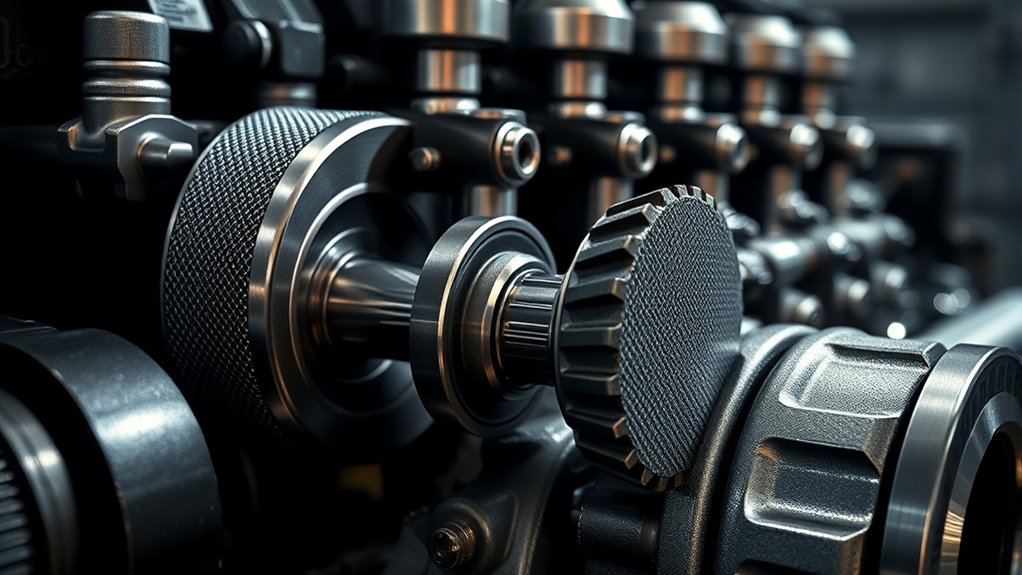
Understanding torque is crucial because it’s the force that allows your truck to perform heavy-duty work. It’s what gives your engine the ability to generate rotational force, measured in pound-feet (lb-ft). When you need to tow a trailer, haul a load, or climb a steep hill, high torque delivers the power you need at low speeds. It’s produced by the twisting force from the engine’s crankshaft, which directly influences your truck’s pulling strength. The more torque your engine produces, the better your truck can handle heavy loads from a standstill and maintain performance under stress. Torque is especially indispensable for tasks requiring forceful starts and consistent low-speed power, making it a key factor in your truck’s ability to get work done efficiently. Torque curves also illustrate how torque varies with engine speed, providing insights into optimal performance ranges.
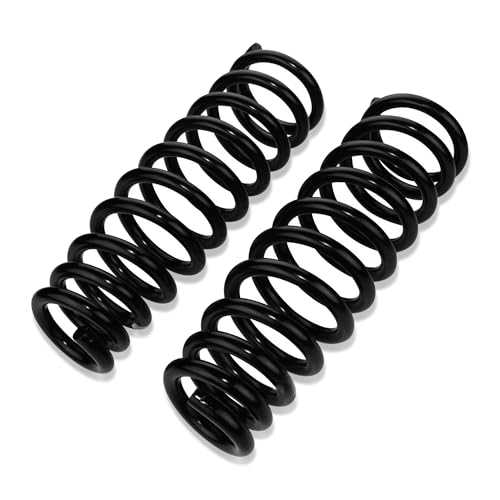
Gleyi Rear Heavy Duty Coil Springs Compatible with 2009-2018 Ram 1500 2WD 4WD, Provide Extra 70% Load Capacity (2700 pounds per coil)
More Load Capacity: When towing a trailer or carrying heavy loads in the bed of your truck, the…
As an affiliate, we earn on qualifying purchases.
As an affiliate, we earn on qualifying purchases.
The Mathematical Connection Between Torque and Horsepower
Torque and horsepower are closely linked through a simple mathematical relationship that explains how engine output translates into real-world performance. This formula, horsepower = (torque × RPM) / 5,252, shows how both factors work together to produce power. When you increase torque or RPM, horsepower rises, impacting your truck’s capabilities. Understanding this connection helps you see why high torque at low RPM is vital for towing. The role of contrast ratio is also important in understanding engine performance, as it influences how well the engine can handle different load conditions. Recognizing how increasing RPM amplifies horsepower for higher speeds helps optimize your vehicle’s efficiency. See why peak torque at lower RPM means better towing performance. Realize that optimizing both torque and RPM unlock maximum engine efficiency.

WFLNHB Diesel Turbo Charger High Low Pressure Replacement for F350 450 550 6.4L 2008-2010 1848300C93
Replacement part numbers: 1848300C92, 1848300C93, 1848300C94, 1848300C95, 1848300C96, 1848300C97, 1848300C98, 754220412036, 8C3Z-6K682-AARM, 8C3Z6K682B, 8C3Z6K682BARM
As an affiliate, we earn on qualifying purchases.
As an affiliate, we earn on qualifying purchases.
How Torque Influences Towing and Payload Capacity
High torque directly boosts your truck’s towing and payload capacity because it provides the necessary twisting force to move heavy loads efficiently. When your engine produces high torque at low RPM, it can generate substantial pulling power without straining. This means your truck can tow heavier trailers and carry larger payloads without excessive engine effort or overheating. High torque also helps maintain consistent performance when hauling, reducing the need for frequent gear shifts and minimizing stress on the transmission. Basically, the more torque your engine delivers, especially at low speeds, the better your truck can handle demanding tasks. This is especially important for energy-efficient cloud solutions, emphasizing the importance of optimized power delivery for sustainability and performance. This makes it easier to start moving from a stop, climb hills, and manage heavy loads smoothly and safely, enhancing overall towing and payload capabilities.

Timbren DR2500D SES Rear Suspension Enhancement System – 8,600 lb Load Support | Progressive Load Stability & Zero Maintenance Reliability | Levels Truck, Reduces Sag, Roll & Sway | DIY Install
Ride Comfort & Quality – No more bouncing around or bottoming-out when towing and hauling. Timbren SES kits…
As an affiliate, we earn on qualifying purchases.
As an affiliate, we earn on qualifying purchases.
Real-World Examples of Torque in Truck Performance
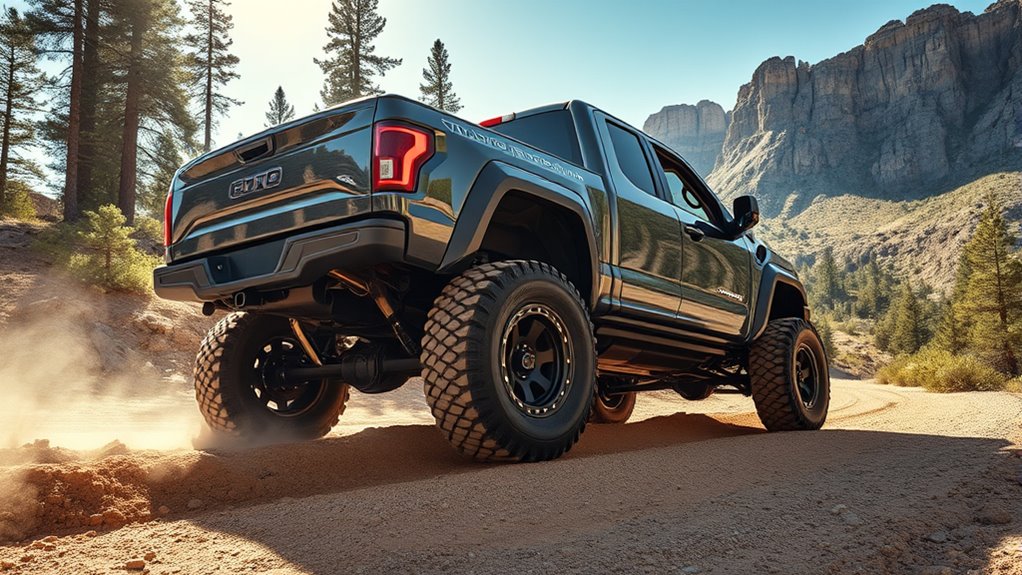
Have you ever wondered how trucks handle heavy loads in real-world situations? High torque makes a real difference, giving you the power to conquer tough tasks. For instance, essential oils like peppermint oil can provide a cooling sensation that helps reduce inflammation during strenuous activity. When climbing steep hills, a truck with high torque pulls effortlessly, avoiding engine strain. When towing heavy trailers, it accelerates smoothly from a stop, ensuring safety and efficiency. Off-road, high torque helps steer muddy or uneven terrain without losing momentum. And during long hauls, it maintains steady performance without constant gear shifts.
Why Truck Buyers Should Prioritize Torque Over Horsepower

When choosing a truck for towing or heavy-duty work, prioritizing torque guarantees you get the power you need when it matters most. Torque directly impacts your ability to move heavy loads from a standstill and maintain steady performance under load. Unlike horsepower, which influences top speed and acceleration at high RPM, torque provides the low-end pulling power essential for towing, hauling, and climbing hills. High torque engines, often diesel, deliver better load management and reduce stress on your engine and transmission. This means smoother, more efficient operation when carrying heavy loads. By focusing on torque, you ensure your truck can handle tough jobs reliably, offering better control, less strain, and improved fuel efficiency during demanding tasks. Recognizing the importance of engine performance can help you make more informed choices for your truck’s capabilities.
Frequently Asked Questions
How Does Torque Affect Fuel Efficiency in Trucks?
Torque impacts your truck’s fuel efficiency by allowing you to power heavy loads at lower RPMs, reducing engine strain and fuel consumption. When you have high torque, you don’t need to rev the engine as much to move or tow, saving fuel. It also means your engine works efficiently during demanding tasks, preventing excessive fuel use. So, more torque helps you get better mileage, especially when hauling or towing heavy loads.
Can a High Torque Engine Have Lower Horsepower?
Sure, a high torque engine can have lower horsepower, but it’s like having a muscle-bound bodybuilder with a tiny sprinting ability. You get the raw pulling power, ideal for towing and heavy loads, but don’t expect it to win any speed contests. Torque focuses on low-end strength, while horsepower’s all about high-speed glory. So, if you need to move stuff slowly and powerfully, yes, you can have high torque with less horsepower.
What Is the Best Torque Range for Towing Heavy Loads?
You should look for a truck with a torque range between 400 and 1,000 lb-ft for towing heavy loads. This range provides enough low-end torque to handle substantial weight from a stop, ensuring smooth acceleration and efficient pulling. Higher torque within this spectrum improves towing capacity and reduces engine strain, making your heavy-duty tasks easier. Focus on engines that deliver consistent torque at low RPMs for ideal towing performance.
How Does Altitude Impact Torque and Horsepower in Trucks?
Think of your truck’s engine like a swimmer fighting against the tide. At higher altitudes, the thinner air acts like a stronger current, sapping your engine’s power. You’ll notice a drop in both torque and horsepower because less oxygen means less combustion efficiency. To compensate, you might need to adjust your engine settings or use a turbocharger to help push against the altitude’s challenges and keep your truck performing strong.
Are Electric Trucks’s Torque Characteristics Different From Traditional Engines?
Electric trucks deliver instant torque from zero RPM, unlike traditional engines that build torque gradually. This means you’ll experience quick acceleration and strong pulling power right away, making towing and hauling more efficient. You won’t have to wait for higher RPMs to feel the full force, giving you better control and performance under load. Overall, electric trucks provide a more immediate and consistent torque delivery than conventional internal combustion engines.
Conclusion
If you think horsepower is all that matters, think again—torque is the true king of truck power. Without enough torque, your truck’s towing and hauling capabilities are pretty much useless, no matter how fast it can go. Prioritizing torque over horsepower is like choosing a muscle-bound hero over a sprinter. So, next time you’re shopping for a truck, remember: torque isn’t just important—it’s the secret weapon that will turn your hauling dreams into reality.