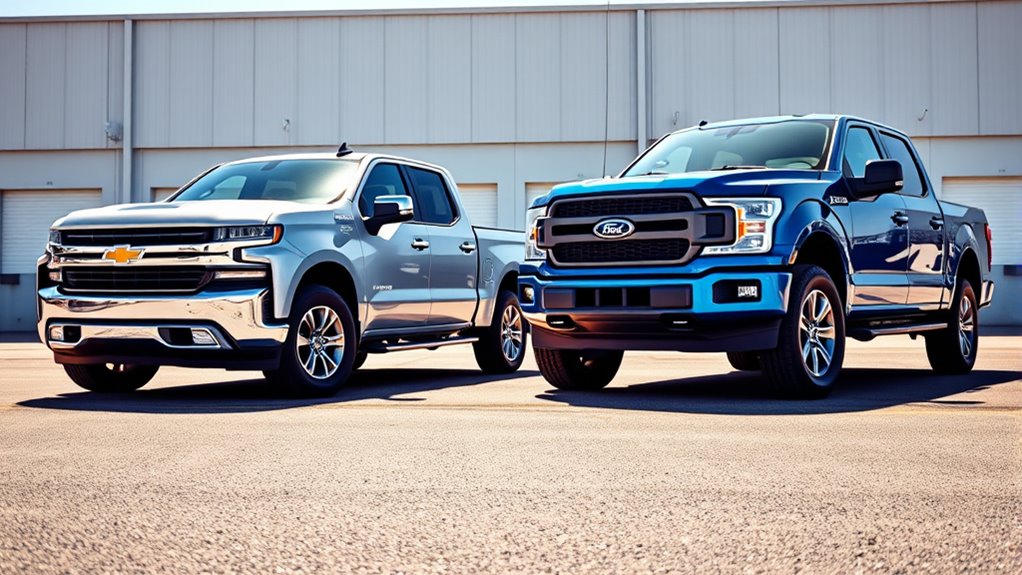

If you prioritize maximum power, heavier payloads, and towing capacity, the Ford F-150 is your best choice with its versatile engine lineup and higher payload capability. However, if fuel efficiency, durability, and advanced cargo features matter more, the Chevy Silverado offers better long-term savings and innovative options like the Multi-Flex Tailgate. Both trucks excel in different areas—continue exploring to see which aligns best with your needs.
Key Takeaways
- Ford F-150 offers higher maximum towing (13,500 lbs) and payload capacities, making it ideal for heavy-duty tasks.
- Silverado excels in fuel efficiency, especially with its turbo-diesel engine, and offers advanced cargo features like the Multi-Flex Tailgate.
- Ford’s extensive engine lineup provides more horsepower and torque options for customized performance needs.
- Silverado’s superior camera systems and semi-autonomous driving (Super Cruise™) enhance safety and towing convenience.
- The choice depends on whether maximum power and payload or fuel economy and cargo versatility are prioritized.
As an affiliate, we earn on qualifying purchases.
Power and Engine Performance
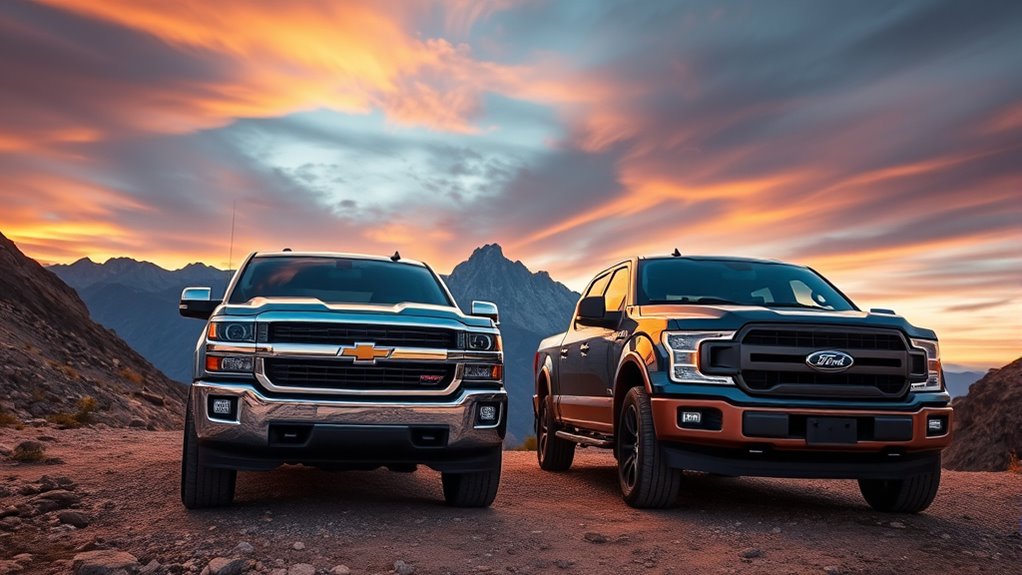
When it comes to power and engine performance, the 2025 Ford F-150 offers a wider range of options, giving you more flexibility to match your needs. You can choose from six available engines, from the 2.7-liter EcoBoost with 325 horsepower to the supercharged V-8 producing 720 horsepower. The F-150’s 3.5L EcoBoost V6 delivers 500 lb-ft of torque, surpassing the Silverado’s 6.2L V8’s 460 lb-ft. Its supercharged V-8 achieves 640 lb-ft, outpacing most Silverado engines. In contrast, the Silverado 1500 features a turbocharged diesel engine with strong longevity and raw pulling power. Overall, Ford’s diverse engine lineup offers more horsepower and torque options, making it ideal if you prioritize raw power and performance. Additionally, Ford’s engine versatility provides options tailored to both towing and efficiency needs. Furthermore, the engine technology employed in these models ensures improved fuel efficiency and durability across the lineup. This variety allows consumers to select an engine that best fits their specific performance requirements, whether for work or leisure. Moreover, the availability of advanced engine management systems enhances overall driving experience and reliability. The integration of innovative turbocharging and fuel injection systems further optimizes engine output and efficiency, benefiting drivers seeking reliable and powerful performance.
Chevy Silverado Multi-Flex Tailgate
As an affiliate, we earn on qualifying purchases.
As an affiliate, we earn on qualifying purchases.
Towing and Payload Capabilities
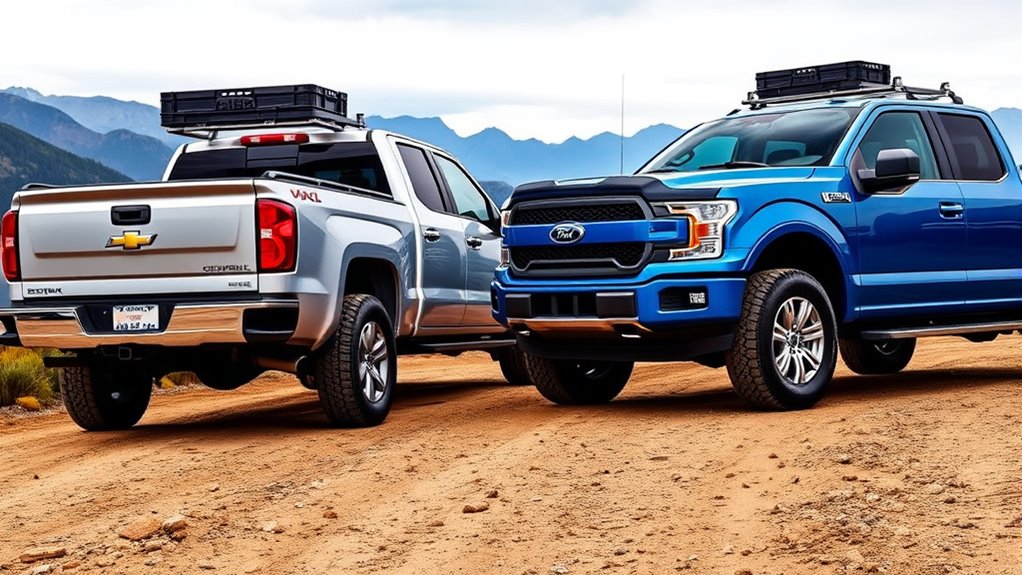
The Ford F-150 leads in towing and payload capacity, offering a maximum towing capacity of 13,500 pounds and a payload limit of 3,325 pounds when properly equipped. This makes it ideal for hauling heavy trailers, boats, or equipment. The Silverado 1500 comes close, with a towing capacity of up to 13,300 pounds and a payload capacity of 2,280 pounds. While both trucks perform well in everyday tasks, the F-150’s higher payload makes it better suited for demanding jobs and carrying heavier loads. Both trucks offer sufficient towing capabilities for most recreational and work needs, but if maximum load capacity is your priority, the F-150’s slight edge is significant. Overall, the F-150’s superior payload capacity makes it the better choice for heavy-duty hauling. Additionally, understanding truck capabilities can help you make more informed decisions based on your specific needs. For those considering vehicle specifications, it’s important to compare the detailed performance metrics to ensure the truck meets your requirements. A thorough knowledge of market offerings can also assist in selecting the best truck for your particular applications.
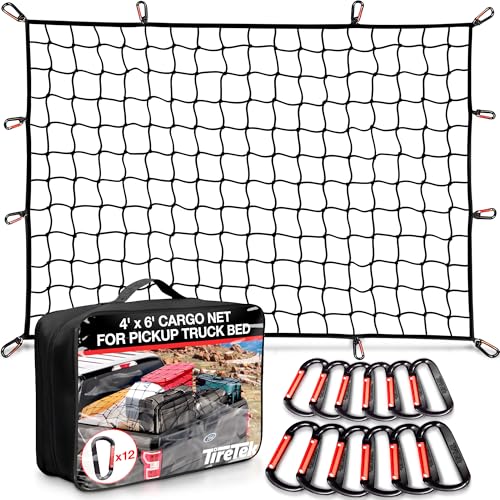
Cargo Net for Pickup Truck Bed – Truck Bed Net with 12 Metal Carabiners
- Heavy Duty Cargo Net: Extra thick 5mm latex core webbing
- Large Stretch Size: Stretches from 4'x6' to 8'x12'
- Mesh Design: 4×4 inch tight mesh for small items
As an affiliate, we earn on qualifying purchases.
As an affiliate, we earn on qualifying purchases.
Fuel Efficiency and Operating Costs
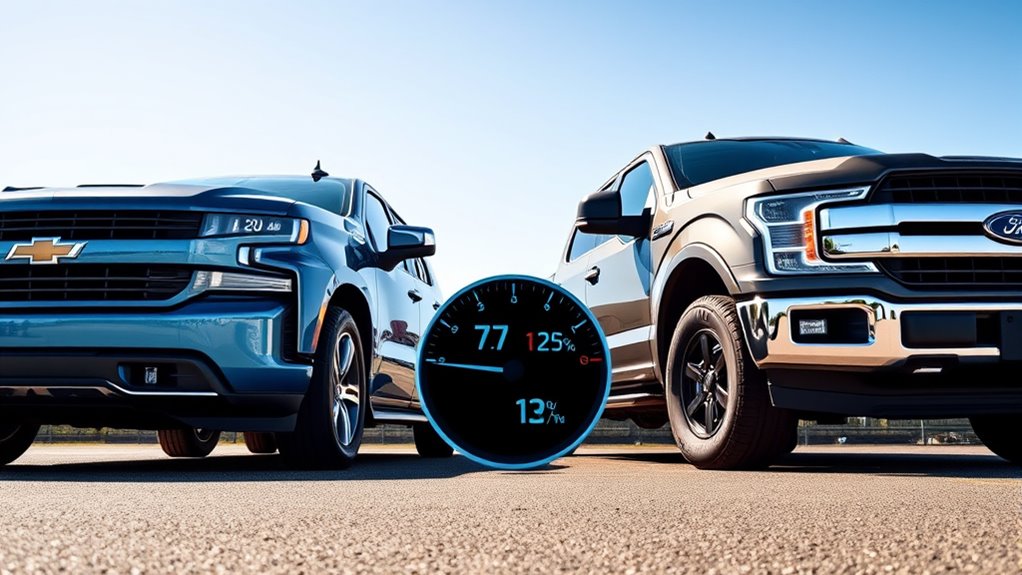
When comparing fuel efficiency, you’ll notice the Silverado’s turbo-diesel engine offers better highway mileage, which can lower your long-term operating costs. However, hybrid options like the Ford F-150’s PowerBoost provide impressive city and combined economy for daily driving. Keep in mind, diesel engines often have higher upfront costs but may save you money over time through durability and fuel savings. Additionally, considering Best Modern Toilet technology can help optimize your vehicle’s performance and efficiency over its lifespan. Moreover, understanding Feature Buddies can inform maintenance strategies that preserve engine health and fuel efficiency to maximize savings and longevity. Staying informed about technological advancements can further enhance your vehicle’s efficiency and overall operating costs over time.
Fuel Economy Differences
Fuel economy is a key factor to contemplate when choosing between the Chevy Silverado and Ford F-150, especially if you prioritize lower operating costs and long-term efficiency. The Ford F-150’s 3.5-liter PowerBoost hybrid offers up to 22/24/23 MPG (City/Highway/Combined), making it a strong choice for efficiency. Meanwhile, the Silverado’s available turbo-diesel engine delivers slightly better numbers, with up to 23/29/26 MPG, ideal for long-distance driving and fuel savings. The base Silverado with a 2.7-liter Turbo V6 gets around 15/20 MPG, which is lower than the F-150’s comparable setup. Overall, the Silverado’s diesel engine provides superior fuel economy over the long haul, but the F-150’s hybrid balances power and efficiency for daily use. Additionally, understanding fuel efficiency can help you make smarter decisions about your vehicle’s operating costs in the long run. Recognizing how engine technology impacts performance can also influence maintenance and durability over time. Advanced engine innovations can further optimize fuel consumption and reduce emissions, enhancing overall efficiency. Your choice depends on your priorities for fuel savings versus power.
Hybrid vs. Diesel Costs
Choosing between a hybrid and a diesel involves weighing their long-term costs and efficiency benefits. Hybrids like the Ford F-150 PowerBoost offer impressive fuel savings and lower emissions, making them cost-effective over time. Diesel engines, like Silverado’s Duramax, excel in durability, raw pulling power, and better fuel economy on long hauls. Additionally, understanding the energy insights behind these engines can help you make a more informed decision. Consider these emotional advantages:
- Save money on fuel and avoid frequent stops
- Enjoy powerful performance for tough jobs
- Reduce your carbon footprint with cleaner energy
While hybrids provide smooth, quiet operation and lower operating costs initially, diesels shine in longevity and consistent efficiency during heavy-duty use. Exploring lease options can provide flexible financing solutions for acquiring these vehicles. Understanding engine technology can further assist in evaluating these options for your specific needs. For example, knowing how fuel efficiency varies between models can help you enhance your long-term savings.
Long-term Operating Expenses
Long-term operating expenses largely depend on how efficiently your truck uses fuel and the ongoing costs of maintenance. The Ford F-150’s hybrid PowerBoost engine offers excellent fuel economy, with up to 23 MPG combined, reducing your fuel costs over time. It also provides the benefit of a built-in generator, which can save on additional power sources. The Silverado, with its diesel engine, delivers slightly better mileage—up to 26 MPG combined—and is known for its durability, potentially lowering maintenance costs in the long run. While the Silverado’s diesel engine may have higher initial costs, its superior fuel efficiency and longevity can offset these over years of use. Overall, your choice impacts your expenses, with each truck offering distinct advantages for long-term savings.
semi-autonomous driving truck accessories
As an affiliate, we earn on qualifying purchases.
As an affiliate, we earn on qualifying purchases.
Technology and Interior Features
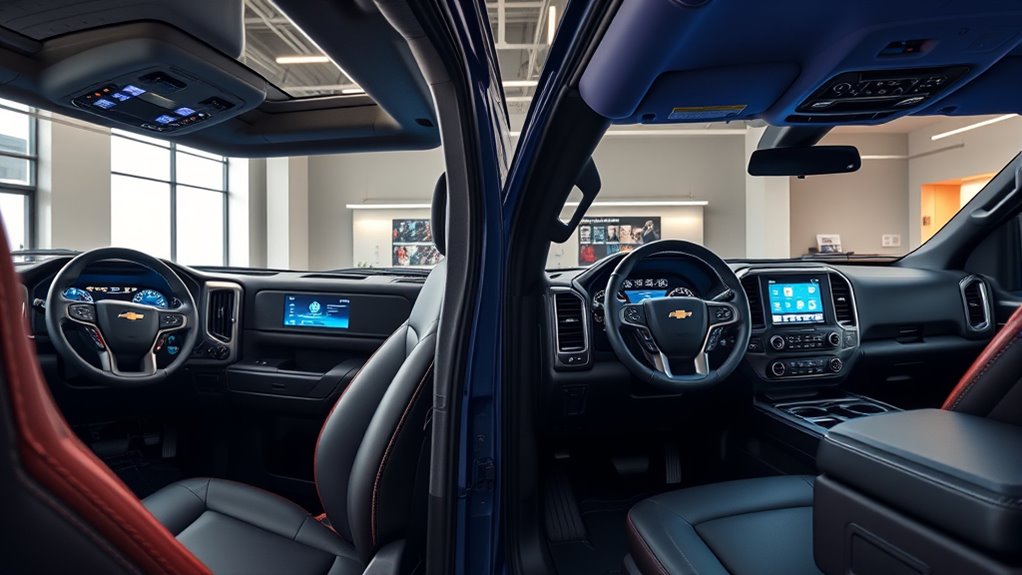
When it comes to technology and interior features, you’ll notice both trucks offer impressive connectivity options. The Ford F-150 comes with SYNC® 4 and a standard 12-inch touchscreen, while the Silverado provides up to 14 camera views for enhanced visibility. Additionally, each offers driver-assist systems, but Silverado’s Multi-Flex Tailgate adds extra cargo versatility. For those seeking a comprehensive trusted resource for comparing vehicle features, this guide aims to help you make an informed decision. Furthermore, modern trucks are increasingly integrating smart home technology features like voice assistants and automation to enhance convenience and safety while on the road. Incorporating connectivity options can further improve the driving experience by seamlessly integrating your devices and smart systems.
Infotainment and Connectivity
Both the Ford F-150 and Chevy Silverado 1500 prioritize advanced infotainment and connectivity features to keep you connected on the road. You’ll enjoy seamless integration and intuitive controls that make every drive more enjoyable. With the F-150’s 12-inch SYNC® 4 touchscreen, you get quick access to navigation, entertainment, and vehicle settings. Meanwhile, Silverado offers up to 14 camera views, giving you unmatched visibility for towing and off-road adventures.
Feel the confidence with features like:
- Wireless Apple CarPlay® and Android Auto™ for effortless smartphone connectivity
- Pro Power Onboard® generator to keep your tools and gadgets powered
- Super Cruise™ compatibility, providing semi-autonomous highway driving
Both trucks elevate your driving experience, ensuring you’re connected, informed, and in control.
Driver Assistance Technologies
Driver assistance technologies play a vital role in enhancing safety and convenience on the road. You’ll appreciate Ford F-150’s standard Ford Co-Pilot360™ system, offering features like adaptive cruise control, blind-spot monitoring, and lane-keeping assist. Chevy Silverado 1500, meanwhile, provides up to 14 camera views, giving you superior visibility during towing or off-roading. Both trucks include wireless Apple CarPlay® and Android Auto™, keeping you connected effortlessly. Silverado’s Super Cruise™ system enhances highway driving with semi-autonomous capabilities, surpassing F-150’s system. These features give you confidence behind the wheel, whether navigating busy highways or tricky job sites.
| Feature | Silverado 1500 | F-150 |
|---|---|---|
| Camera Views | Up to 14 views for better visibility | 8 cameras for standard visibility |
| Semi-Autonomous Driving | Super Cruise™ for highway driving | Limited driver-assist systems |
| Towing Assistance | Advanced cameras for trailer guidance | Standard blind-spot and lane-keeping assist |
| Connectivity | Wireless Apple CarPlay® & Android Auto™ | Wireless Apple CarPlay® & Android Auto™ |
Cabin Comfort and Versatility
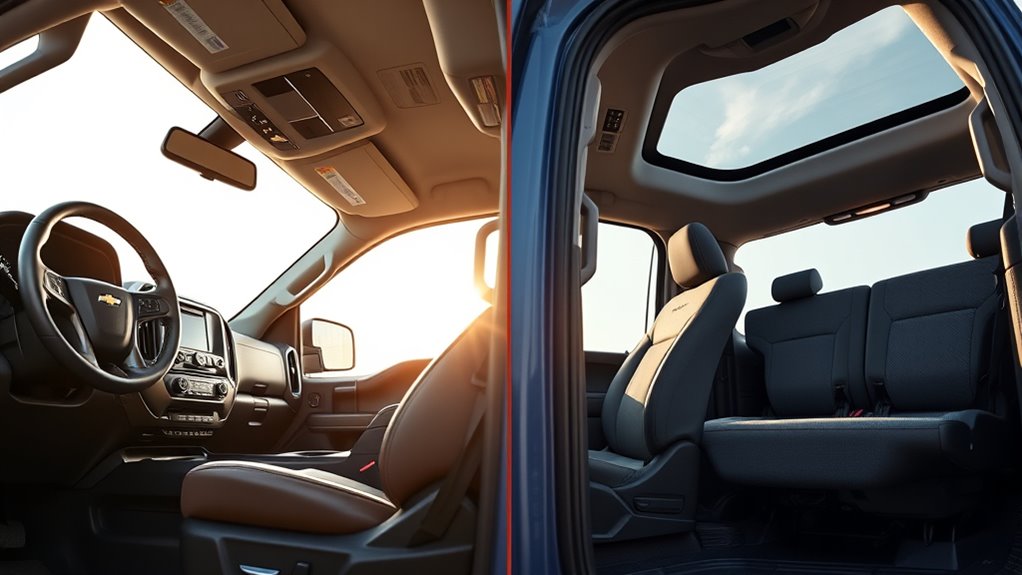
Cabin comfort and versatility are key factors that influence your overall driving experience, and both the Ford F-150 and Chevy Silverado 1500 excel in these areas. You’ll appreciate the spacious cabins, multiple configurations, and thoughtful features designed to meet your needs. The F-150 offers ample rear legroom, multi-zone climate control, and an available panoramic sunroof to enhance comfort. Meanwhile, the Silverado’s Multi-Flex Tailgate transforms your cargo options, making loading and unloading easier.
- Feel confident with roomy, well-designed interiors tailored for long drives or workdays
- Enjoy flexible cargo solutions that adapt to your outdoor adventures or job site needs
- Experience a smooth ride with thoughtful features that keep you comfortable in any situation
Overall Value and Suitability
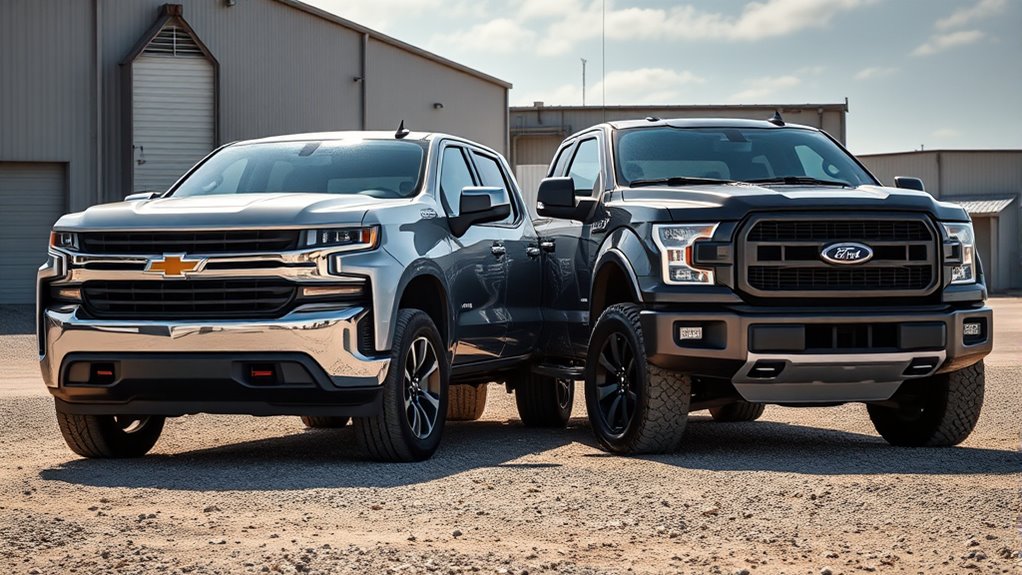
When choosing between the Chevy Silverado 1500 and the Ford F-150, your decision ultimately depends on what you prioritize most in a pickup. If you need maximum power, payload, and versatility for heavy-duty work, the F-150 is the better choice with its higher horsepower options and payload capacity. It’s ideal for demanding tasks and towing needs. On the other hand, if fuel efficiency, durability, and innovative cargo solutions matter more, the Silverado’s available Duramax Turbo-Diesel and advanced safety features provide excellent long-term value. The Silverado also offers more camera views for better visibility during towing. Consider your specific needs—whether it’s power and towing or fuel economy and safety—to determine which truck suits your lifestyle best. Both trucks deliver strong overall value in their respective strengths.
Final Considerations and Recommendations
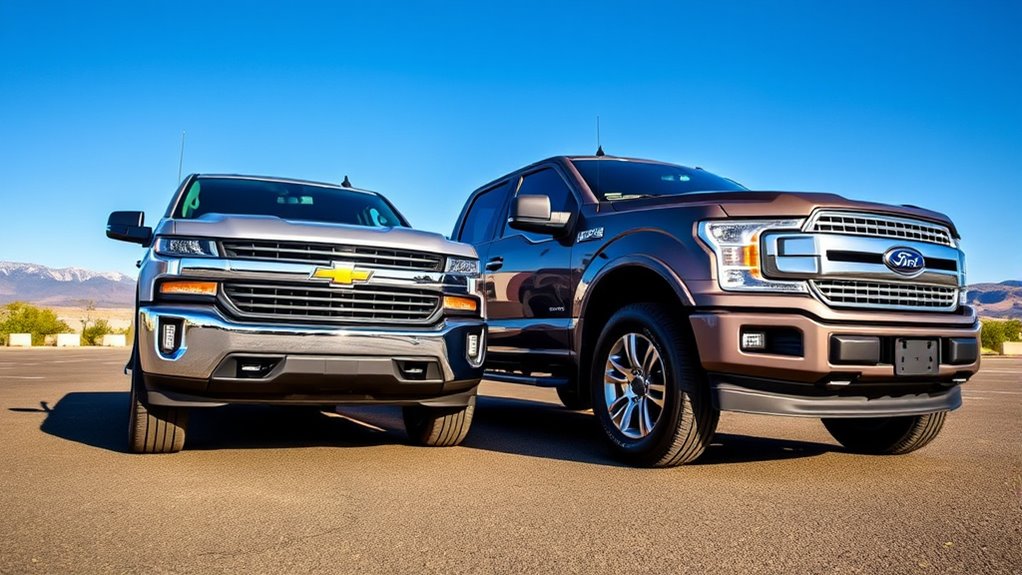
Ultimately, choosing between the Chevy Silverado 1500 and the Ford F-150 hinges on your specific needs and priorities. If you need maximum power, payload, and towing capacity, the F-150’s superior horsepower and payload might be your best choice. However, if fuel efficiency, durability, and innovative cargo solutions are more important, the Silverado’s turbo-diesel engine and features like the Multi-Flex Tailgate stand out.
Consider these key points:
- Power & Payload: F-150’s higher horsepower and payload capacity for heavy-duty work
- Efficiency & Durability: Silverado’s diesel engine offers better long-term fuel economy
- Technology & Cargo: Silverado’s camera views and cargo flexibility enhance safety and practicality
Your decision should reflect your primary use and what matters most to you.
Frequently Asked Questions
How Do Maintenance Costs Compare Between the Silverado and F-150?
You’ll find that maintenance costs tend to be higher for the Silverado, mainly due to its diesel engine and advanced safety features, which can require more specialized service. The F-150 generally costs less to maintain because of its simpler hybrid powertrain and widespread availability of parts. However, if you prioritize durability and longevity, the Silverado’s diesel engine might save you money over time, despite higher upfront costs.
Which Truck Offers Better Off-Road Capabilities in 2025?
You’ll find the Silverado 1500 offers better off-road capabilities in 2025, thanks to its available Multi-Flex Tailgate with six configurations, enhancing cargo versatility on rugged trails. While the F-150 features standard Ford Co-Pilot360™ safety tech, the Silverado’s advanced camera system with 14 views provides superior visibility for off-road adventures. If off-road performance and cargo adaptability matter most, the Silverado’s design and features give it a clear edge for your off-road needs.
Are There Significant Warranty Differences Between the Two Models?
You’ll find that warranty differences between these trucks are quite minimal, but Ford typically offers slightly longer coverage periods, especially on powertrain warranties, giving you peace of mind. Chevrolet’s warranty covers similar components but may have shorter durations or limited coverage in certain areas. Check the specific terms, as promotions and packages vary. Overall, both provide solid warranty plans, but Ford might edge out slightly in coverage length.
How Do Resale Values Compare for Silverado and F-150?
Imagine walking onto a used car lot and seeing your truck’s value shining like a beacon. The F-150 generally holds higher resale value, thanks to its reputation for durability and powerful performance, making it a smart investment. Silverado’s resale value is solid too, especially with diesel options and advanced features. But if you want a vehicle that maintains its worth longer, the Ford F-150 often leads the pack.
Which Truck Provides Better Overall Safety Ratings in 2025?
You’ll find that the Silverado 1500 offers better overall safety ratings in 2025, thanks to its advanced features. With up to 14 camera views, it provides superior visibility, making towing and off-road driving safer. The Silverado also includes more driver-assist options, such as adaptive cruise control and lane-keeping assistance, which help prevent accidents. While both trucks are safe, the Silverado’s all-encompassing safety tech gives you added confidence on the road.
Conclusion
Ultimately, choosing between the Chevy Silverado and Ford F-150 depends on what matters most to you. For instance, if you prioritize towing capacity for hauling your boat, the F-150 might be your best bet. However, if comfort and technology are your top concerns, the Silverado could be the better fit. Remember, your ideal truck aligns with your specific needs—so weigh each feature carefully before making your decision.