

You’ll notice trucks have blocky shapes because they’re designed to maximize cargo space and simplify loading and unloading. These rectangular forms guarantee structural strength and allow for modular attachments like refrigeration units. While blocky designs create more air resistance, manufacturers add aerodynamics features like vortex generators and gap reducers to cut drag. If you’d like to understand how these trade-offs work and what innovations are shaping future truck designs, there’s more to explore.
Key Takeaways
- Blocky designs maximize cargo space and facilitate easy loading and unloading, prioritizing utility over aerodynamics.
- The squared shape provides structural strength to support heavy loads and integrate modular equipment.
- Flat rear ends enable trailer attachment, simplifying connection and access for cargo handling.
- Utility-focused shapes accommodate practical features like refrigeration units and equipment, often compromising aerodynamic smoothness.
- Balancing aerodynamic improvements with cargo capacity ensures trucks remain functional, stable, and efficient for commercial use.

KUAFU Universal Fairing Fins Kit Stick-on Vortex Generator Air Foils for Trucks, Trailer, RV Spoiler Wing White PP Plastic 80 PCS
Reduced Aerodynamic Drag: The fairing fins are designed to improve airflow around the truck, reducing drag and ultimately…
As an affiliate, we earn on qualifying purchases.
As an affiliate, we earn on qualifying purchases.
The Role of Aerodynamic Drag in Fuel Consumption
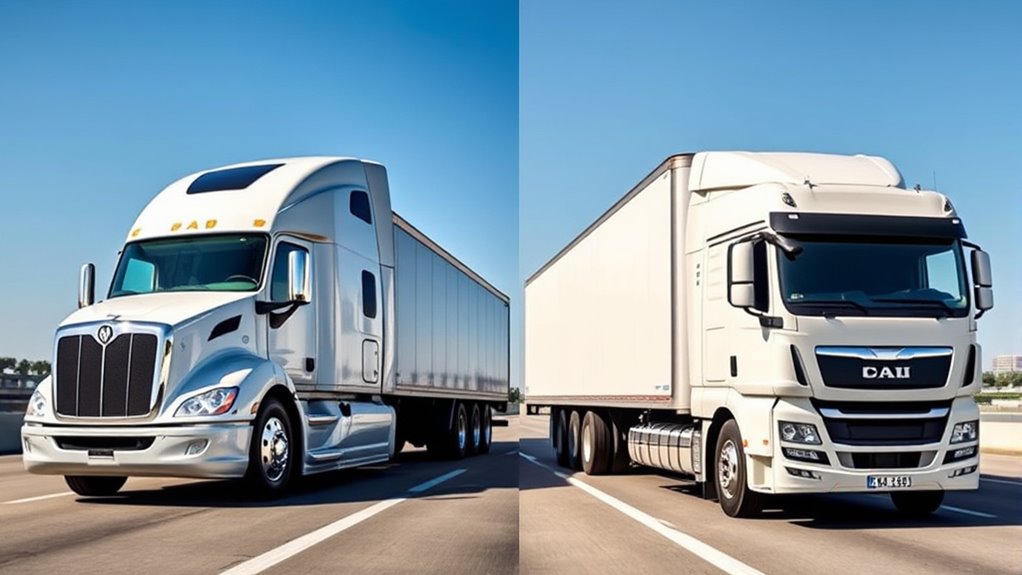
Aerodynamic drag considerably influences a truck’s fuel consumption, especially at highway speeds above 50 km/h. As you increase speed, air resistance rises exponentially, making it a crucial factor in fuel efficiency. Doubling your speed quadruples the drag, while tripling it increases resistance ninefold. This means that at high speeds, your engine works harder to push through the air, consuming more fuel. Improving aerodynamics can reduce this drag by 5-15%, translating into significant savings over long hauls. Less drag also decreases engine wear and extends vehicle life. Electric trucks are even more affected, sometimes losing up to half their energy to air resistance. Essentially, reducing aerodynamic drag is essential for saving fuel, lowering emissions, and improving overall truck performance at highway speeds. Incorporating aerodynamic enhancements such as streamlined body shapes and fairings can further optimize efficiency and reduce operational costs.

KSJED Diesel/Gas Fuel Filler Neck Mount fits for Chevy GMC Dodge Ford Flatbed or Trucks
Made of high precision, hardened cromoly steel,Sturdy and not easily deformed.
As an affiliate, we earn on qualifying purchases.
As an affiliate, we earn on qualifying purchases.
Why Utility Shapes Dominate Truck Design
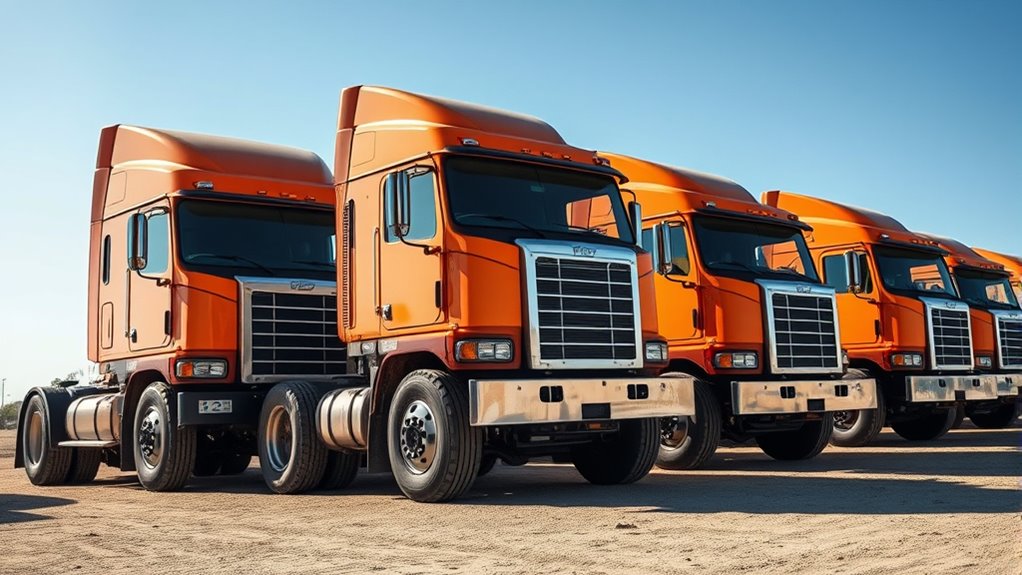
Truck designs prioritize utility over sleekness because maximizing cargo space and ensuring easy loading are vital for operational efficiency. You need a shape that offers maximum volume with minimal wasted space, making a boxy, squared design the most practical choice. Flat rear ends simplify trailer attachment, loading, and unloading, saving time and effort. Structural strength is essential for carrying heavy loads and supporting various equipment, which often limits the possibility of streamlined shapes. Additionally, modular attachments like refrigeration units or storage compartments fit more easily into a rectangular frame. While aerodynamic enhancements can improve efficiency, they rarely compromise the core utility of the design. This focus on practicality ensures trucks remain versatile, durable, and capable of handling a wide range of cargo and operational needs.

VEVOR 48"W Commercial Refrigerator, 12.5 Cu. Ft Sandwich Prep Refrigerated Table, Mega Top Food Prep Fridge with 12 Pans and Cutting Board, Stainless Steel Salad Prep Cooler for Restaurant, Food Truck
12.5 Cu.Ft. Capacity: Skilled in cold storage and freshness, this refrigerated prep table includes a 48.4 x 9.5…
As an affiliate, we earn on qualifying purchases.
As an affiliate, we earn on qualifying purchases.
Aerodynamic Enhancements for Blocky Trucks
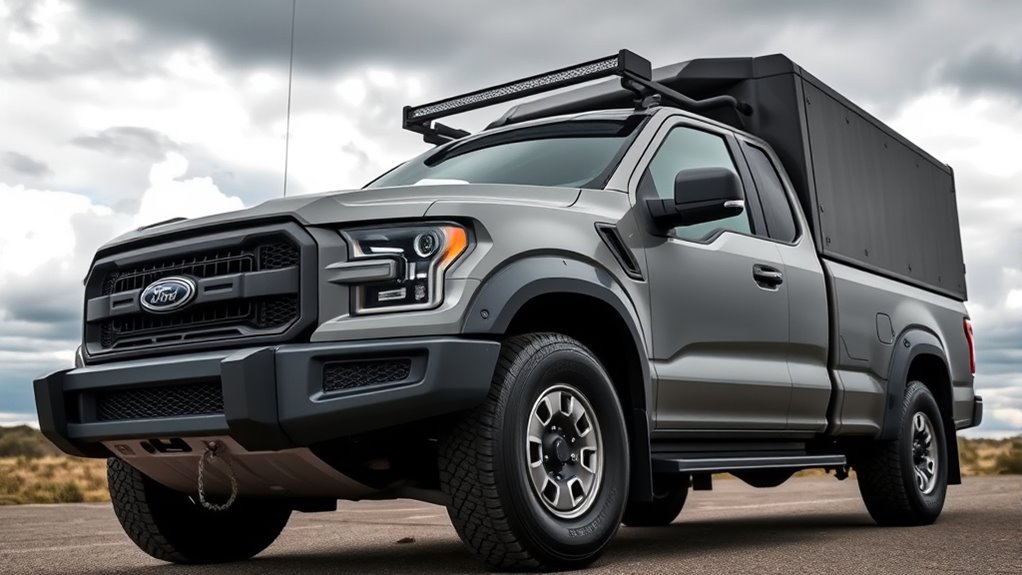
To improve fuel efficiency without sacrificing the utility of a blocky design, manufacturers have developed various aerodynamic enhancements that can be added onto existing structures. Devices like Airtabs create controlled vortices, reducing drag by smoothing airflow around the trailer’s rear. Gap reducers, such as TruckWings, close the space between tractor and trailer, decreasing turbulence and improving fuel economy by 4-6%. Deurbulators disrupt airflow at critical points, delaying boundary layer transition and cutting drag. Smoothing edges, sealing gaps, and aerodynamic mirrors further minimize airflow separation around the truck’s boxy shape. Platooning, where trucks travel closely together, leverages the lead vehicle’s airflow to reduce overall drag. Additionally, European cloud innovation has inspired the development of sustainable solutions that integrate aerodynamic research and advanced materials, further enhancing fuel efficiency and environmental performance. These enhancements optimize aerodynamics while maintaining the utility and structural integrity of traditional blocky truck designs.
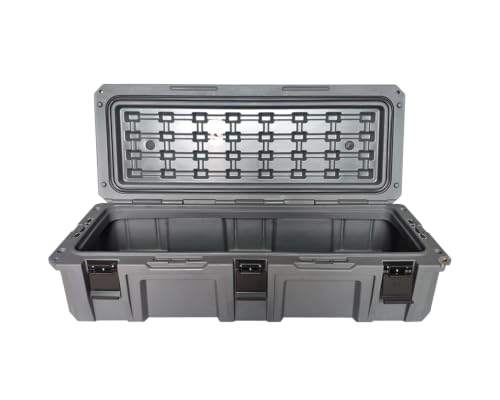
Overland Vehicle Systems 40100021 Dark Gray 117 QT Dry Box Storage with Drain and Bottle Opener | Waterproof Seal | Heavy-Duty Latches and Nylon Handles | Keeps Gear Safe, Dry and Organized
Carrying Capacity: The Dry Box Storage has a carrying capacity of 117 quarts offering generous space for organizing…
As an affiliate, we earn on qualifying purchases.
As an affiliate, we earn on qualifying purchases.
How Stability and Safety Are Improved by Design Choices

Your truck’s stability depends on smart design choices like enhanced traction control, which keeps the vehicle firmly on the road during challenging conditions. Reducing sway and fishtailing through aerodynamic devices and structural features helps prevent accidents and improves handling. These improvements lead to safer driving, especially in windy or uneven environments, giving you greater confidence behind the wheel. Additionally, incorporating dynamic contrast ratios in design elements can improve visual cues for drivers, enhancing overall safety by making critical information more visible.
Enhanced Traction Control
Enhanced traction control plays a crucial role in improving stability and safety by optimizing how weight and force are managed during vehicle operation. Your truck’s design incorporates features like anti-slip differentials, electronic stability systems, and traction control modules that detect wheel slip. When you accelerate on slippery surfaces or corner sharply, these systems adjust power delivery to prevent wheel spin, maintaining grip. The blocky shape facilitates the integration of these controls by providing a stable platform for sensors and actuators. Better traction reduces the risk of loss of control, especially in adverse conditions like rain or snow. As a result, your truck stays balanced, minimizing accidents and rollover risks. This design choice enhances overall safety, ensuring you can operate efficiently without compromising stability. Design features also support the effective functioning of traction control systems, further emphasizing the importance of the blocky shape for safety.
Reduced Sway and Sway
Because of their blocky design, trucks are inherently stable on the road, which considerably reduces sway and roll during operation. This shape provides a low center of gravity and a broad base, enhancing balance. Stability improves handling in windy conditions and when passing large vehicles, reducing the risk of fishtailing. Design features like wider chassis and reinforced frames further limit lateral movement. To illustrate, consider this table:
| Feature | Benefit | Effect |
|---|---|---|
| Wide chassis | Lower center of gravity | Less sway during turns |
| Reinforced frame | Structural stability | Reduced rollover risk |
| Aerodynamic aids | Better airflow control | Minimized trailer sway |
| Low-profile tires | Enhanced grip and stability | Safer handling |
| Balanced weight distribution | Even load transfer | Consistent stability |
These choices work together to ensure safer, steadier driving. Additionally, vehicle weight distribution plays a critical role in maintaining overall stability and safety during operation.
Economic Benefits of Aerodynamic Truck Features
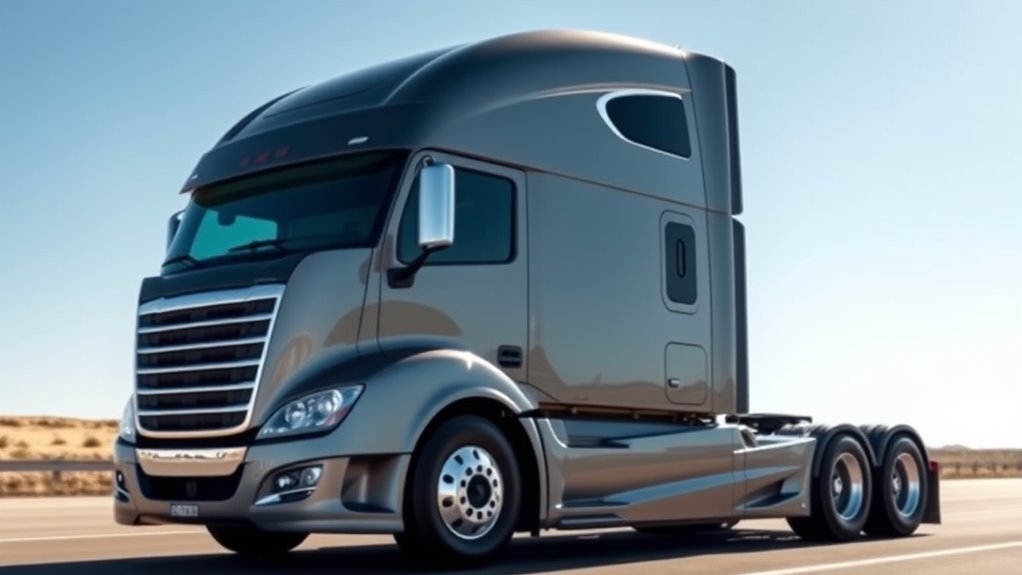
By improving aerodynamics, you can save a significant amount on fuel costs, which adds up to billions industry-wide each year. These features also help reduce environmental impact by lowering emissions, making your operations more sustainable. Incorporating aerodynamic solutions can give your fleet a competitive edge while supporting eco-friendly practices. Additionally, embracing Free Floating technology can further optimize vehicle performance and efficiency.
Fuel Cost Savings
Have you ever wondered how small aerodynamic improvements can lead to significant cost savings for trucking companies? Even minor tweaks, like side skirts or vortex generators, reduce drag and cut fuel bills. Over thousands of miles, these savings multiply, making a real difference in operational costs. Imagine saving hundreds of dollars weekly just by enhancing aerodynamics. The table below shows potential savings:
| Improvement | Fuel Reduction | Annual Savings |
|---|---|---|
| Gap reducers | 4-6% | $3,000 – $5,000 |
| Aerodynamic mirrors | 2-4% | $1,500 – $3,000 |
| Vortex generators | 3-5% | $2,000 – $4,000 |
These small investments lead to big savings, keeping your fleet competitive and profitable. Understanding aerodynamics can help fleet managers make informed decisions about their vehicle modifications.
Environmental Impact Reduction
Did you know that aerodynamic features on trucks can markedly lower their environmental impact? When you improve a truck’s aerodynamics, you reduce fuel consumption, which directly cuts down on greenhouse gas emissions. Even modest drag reductions—around 5-15%—translate into significant environmental benefits, especially during long-haul trips. By decreasing fuel use, you also lessen the demand for diesel, helping to reduce air pollution and conserve fossil fuels. These improvements not only benefit the planet but also lower operational costs for fleets. Electric trucks, which rely heavily on energy efficiency, are even more affected by aerodynamics, maximizing their eco-friendly potential. Overall, investing in aerodynamic enhancements supports cleaner transportation, aligning economic savings with environmental responsibility. Fuel efficiency is a key factor in achieving these environmental and economic benefits.
Environmental Impact of Improved Aerodynamics
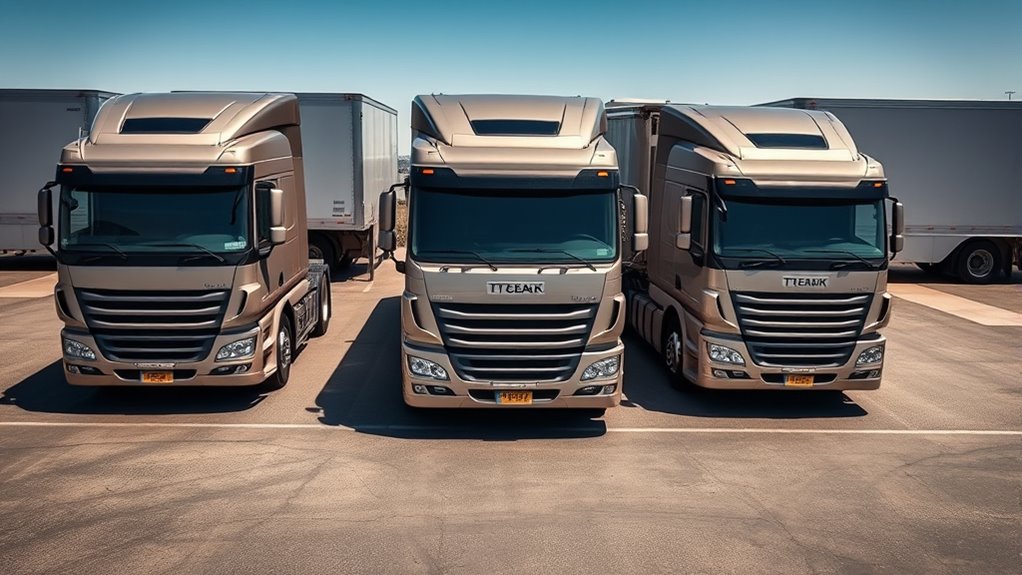
Improved aerodynamics in trucks markedly reduce fuel consumption, which directly lessens environmental impact. When your truck faces less air resistance, it burns less fuel, emitting fewer greenhouse gases like CO₂. This benefit extends to lowering particulate matter and other pollutants that harm air quality. Enhanced aerodynamics also decrease engine strain, reducing maintenance and prolonging vehicle lifespan. By making small tweaks—like adding vortex generators or sealing gaps—you can achieve significant environmental gains without sacrificing utility. Furthermore, aerodynamic design features can improve overall vehicle stability and safety during operation.
Balancing Practicality and Efficiency in Truck Shapes
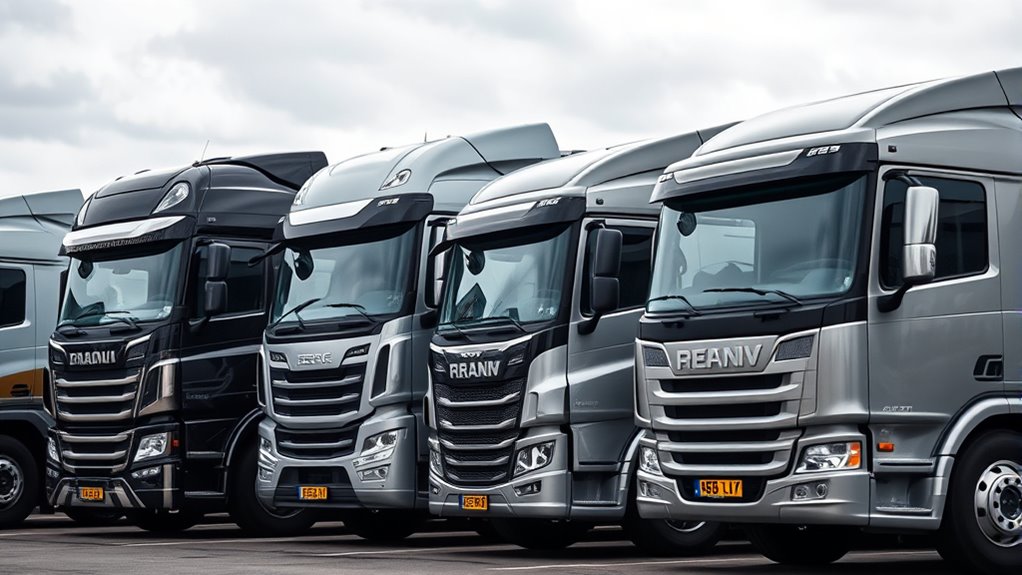
Balancing practicality and efficiency in truck shapes involves maneuvering the trade-off between aerodynamic performance and operational needs. You need a design that maximizes cargo capacity, ease of loading, and structural strength, often favoring a boxy shape. While streamlined forms reduce drag, they can limit access, reduce volume, or complicate trailer connections. To address this, manufacturers incorporate aerodynamic aids like vortex generators, gap reducers, and smooth panels that improve airflow without sacrificing utility. You also see modular components that adjust for different loads and conditions, maintaining a practical shape while enhancing efficiency. Additionally, vintage-inspired design elements are sometimes integrated to improve airflow or aesthetic appeal. This balance ensures trucks remain functional for everyday operations while benefiting from reduced fuel consumption and emissions. Ultimately, the design aims to optimize both operational utility and aerodynamic gains within industry constraints.
Future Trends in Truck Design and Aerodynamics

As technology advances, truck design is shifting toward more sophisticated aerodynamic features that enhance efficiency without sacrificing utility. Future trends focus on integrating seamless airflow solutions, such as active aerodynamics that adjust in real-time based on speed and load. Expect to see smarter, modular devices like retractable side skirts, adaptive gap reducers, and advanced vortex generators that optimize drag reduction while maintaining cargo space. Automated systems will monitor and fine-tune aerodynamics for maximum savings and safety.
| Technology | Benefit |
|---|---|
| Active Aerodynamic Components | Dynamic drag reduction during operation |
| Modular Aerodynamic Aids | Customizable efficiency improvements |
| Real-Time Monitoring | Optimized performance and safety |
Frequently Asked Questions
Are There Alternative Designs That Improve Aerodynamics Without Sacrificing Utility?
Yes, you can use streamlined aerodynamic devices like vortex generators, gap reducers, and airflow smoothers that attach to existing truck shapes. These modifications enhance airflow, reduce drag, and improve fuel efficiency without sacrificing cargo space or utility. By adding these retrofit solutions, you keep the practical, boxy design while benefiting from better aerodynamics, balancing utility with improved performance and lower operational costs.
How Do Retrofit Aerodynamic Devices Affect Long-Term Maintenance Costs?
Retrofit aerodynamic devices can lower your long-term maintenance costs by reducing wear on key components. For example, installing gap reducers like TruckWings minimizes turbulent airflow, decreasing strain on the engine and suspension over time. This means fewer repairs and less downtime. While initial costs might be higher, the savings on maintenance and fuel efficiency often outweigh these expenses, making retrofits a smart investment for your fleet’s profitability and longevity.
Can Innovative Materials Enable Sleeker Truck Shapes Without Sacrificing Strength?
Yes, innovative materials can help you create sleeker truck shapes without sacrificing strength. Lightweight composites and advanced alloys allow for smoother, more aerodynamic designs while maintaining durability and structural integrity. These materials reduce weight, improve fuel efficiency, and enable more streamlined profiles that still handle heavy loads. By adopting such technologies, you can achieve better aerodynamics without compromising the utility and robustness needed for cargo transport.
Do Regulations Limit the Extent of Aerodynamic Modifications on Trucks?
You see the endless rows of trucks on the highway, their shapes constrained by rules that shape their very form. Regulations limit how much aerodynamic modification you can make, like placing invisible barriers around aerodynamic features. These rules protect safety, ensure uniformity, and maintain industry standards. While engineers push boundaries with clever additions, they must stay within these limits, balancing innovation with compliance, so trucks remain practical, safe, and efficient.
How Do Electric Trucks’ Aerodynamic Needs Differ From Traditional Diesel Models?
Electric trucks need more aerodynamic attention than traditional diesel models because they rely solely on battery power, making efficiency vital. You’ll find that electric trucks benefit from advanced aerodynamic features, like smoother surfaces and vortex generators, to minimize air resistance and extend range. Unlike diesel trucks, where fuel cost offsets some efficiency concerns, electric models prioritize aerodynamics to maximize battery life and reduce energy consumption, making their design more focused on reducing drag.
Conclusion
While blocky truck designs prioritize utility, they also impact fuel efficiency. Did you know that aerodynamic improvements can reduce a truck’s fuel consumption by up to 10%? By balancing practicality with these enhancements, you not only save money but also help the environment. As technology advances, expect even smarter shapes that blend utility with aerodynamics, making your next haul more efficient and eco-friendly.