
TL;DR

Get business pricing on garage and car supplies
- Business-only prices and quantity discounts
- Tax-exempt purchasing
- Multiple users, one account, clear invoices
Cycling Weekly columnist Michael Hutchinson reflects on how cyclists often avoid saying what they paid for a bike, offering anecdotes about claimed discounts, trade connections and sponsorship. The piece is a commentary on money, identity and cycling culture, not a report of new pricing data or a change in bike-buying policy.
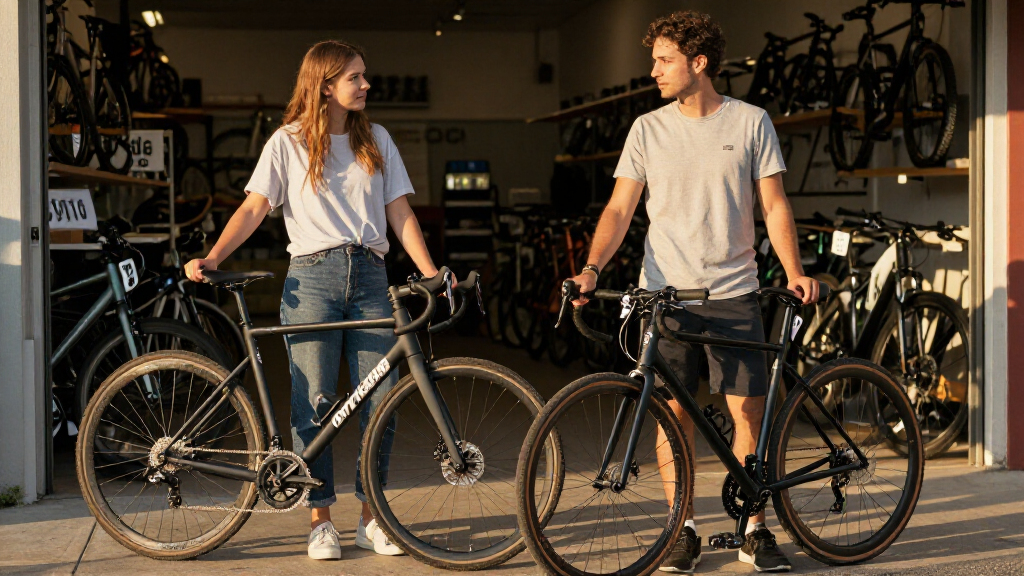
Cycling Weekly columnist Michael Hutchinson has written about a familiar social exchange among cyclists: asking what a friend paid for a new bike and getting an evasive answer instead of a price. His column draws on personal anecdotes to explore how discounts, trade contacts and ideas about being an “insider” can make bike costs awkward to discuss.
Hutchinson recounts asking his friend Bernard about a new bike. Bernard said he had “got a deal” through a friend in the trade, but declined to name the person or explain the arrangement. Hutchinson presents the exchange as an example of a broader pattern he has encountered, rather than evidence about how common this behavior is across the cycling community.
He describes other explanations people have given for acquiring expensive equipment: buying a nearly new bike at a steep discount, receiving an older bike from a wealthy friend, or getting products through a brand relationship. One acquaintance, Hutchinson writes, says he receives bikes and other equipment as a brand ambassador. These are the columnist’s anecdotes; the piece does not independently verify the deals or quantify their frequency.
The column also looks back at racing culture, when riders might build bikes gradually from components rather than purchase a complete new bicycle. Hutchinson suggests that some cyclists may feel awkward not only about the price, but about having bought a complete bike at all. By contrast, he praises a person who plainly told him a bike cost £5,000, with another £2,000 spent on upgraded wheels.
Bike prices can matter beyond household spending: they can signal a rider’s priorities, resources and relationship with the sport. Hutchinson’s account points to a tension between cycling as an identity and buying equipment as a consumer. Saying a bike came through a friend, a special deal or a brand connection can make the purchase sound less like an ordinary retail transaction.
For readers shopping for a bike, the column is a reminder that anecdotes about bargains are not a dependable guide to market prices. Hutchinson provides no price survey, sales data or evidence that cyclists as a group conceal their spending at a particular rate. Its value is as a personal observation about the social discomfort around money, not as consumer research or buying advice.
Products Worth Considering

NOCO Boost GBX45 1250A 12V Lithium Jump Starter

Autel MaxiScope MP608 4-Channel Automotive Oscilloscope

Milwaukee M18 FUEL 1/4 Hex Impact Driver
As an affiliate, we earn on qualifying purchases.
From Spare Parts to Complete Bikes
Hutchinson writes from experience as a journalist and former professional cyclist. Cycling Weekly identifies him as a multi-time national champion in Britain and Ireland, a competitor at the World Championships and Commonwealth Games, and a three-time Brompton folding-bike world champion. The column’s reflections on riders assembling bikes from parts draw on that sporting background.
In his account, a rider’s equipment once might have taken shape over time from components bought, borrowed or moved between bicycles, with a new frame representing the main purchase. He contrasts that experience with the more visible act of arriving on a recently purchased, fully equipped bike. He does not provide a detailed timeline for when the shift occurred or data on how widespread either practice is.
““No one wants to be a mere consumer node in an activity that’s part of their identity.””
— Michael Hutchinson
Anecdotes, Not Price Research
The column does not establish how many cyclists avoid discussing prices, whether the behavior has become more common, or whether the examples reflect wider buying habits. It gives no survey results, market figures or independent verification of the discounts, gifts and brand arrangements described. The source material also does not state the column’s publication date.
No Further Reporting Announced
The source material describes a personal commentary and identifies no planned follow-up, survey or policy change. Readers seeking current bike prices or typical discounts would need separate retailer listings or market research; Hutchinson’s examples are not presented as a guide to what a particular model should cost.
Key Questions
What is the news development?
Michael Hutchinson published a Cycling Weekly column about cyclists who avoid telling friends what they paid for a bike. It is a commentary, not a report on a new industry development.
Does the column show that most cyclists hide bike prices?
No. Hutchinson describes experiences from his own circle and says he has heard similar explanations over the years. He provides no survey or statistical evidence measuring how common the behavior is.
What reasons for avoiding the question does Hutchinson describe?
His examples include claiming a special deal through a friend, buying a used bike at a discount, receiving equipment from an acquaintance or through a brand relationship, and feeling uncomfortable about buying a complete bike. These are anecdotes reported by the columnist.
Does the article provide current bike-price guidance?
No. It includes individual prices reported in the column, including one bike priced at £5,000 and wheel upgrades costing £2,000, but it does not compare models or establish typical market prices.
Source: cyclingweekly.com